

Saving on Heating Costs
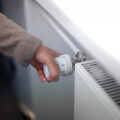
It’s cold outside, cozy inside – yet sooner or later, your eyes drift skeptically toward the thermostat. Warmth feels good, but heating costs quickly add up. The good news: saving on heating costs works best when you don’t fight your own comfort, but work with it.
Your home doesn’t need to be the same temperature everywhere to feel inviting. Often, it’s the cold floor, a drafty window, or your favourite spot on the sofa that determines how warm or cold a room feels. If you want to reduce heating costs without freezing, a combination of moderate room temperatures and targeted warmth can help you stay warm at home while using energy more efficiently.
In this guide, you’ll learn practical heating tips for winter, how to keep your home warm without constantly turning up the thermostat, and how smart warmth solutions can support a healthy indoor climate
Can You Save on Heating Costs by Turning Off the Thermostat?
As tempting as it may sound, not heating at all is not a sustainable solution. When heating is turned off completely, room temperatures drop quickly – and so do the surface temperatures of exterior walls and windows.
From a technical perspective, the key issue is the dew point. When humid indoor air meets cold surfaces, moisture condenses. At first this condensation is invisible, but over time it can lead to damp patches and mould. This happens particularly at thermal bridges such as room corners, window reveals, or behind furniture placed against exterior walls.
For a healthy indoor climate, experts recommend a relative humidity of around 40–60%, which can easily be monitored with a hygrometer. If humidity remains high while surfaces stay cold, the risk of mould increases significantly.
That’s why the most effective way to save on heating costs is to maintain a moderate base temperature that prevents surfaces from cooling down too much – and then add warmth exactly where you feel it.
Saving on Heating Costs Starts at the Thermostat
When it comes to heating, small adjustments can make a big difference. Even lowering the room temperature by one or two degrees can noticeably reduce heating costs – whether you live in a rented apartment or your own home.
As a general guideline, around 20 °C (68 °F) is recommended for living spaces, provided it feels comfortable to you. Every degree less saves energy.
Recommended room temperatures:
- Living areas & bathroom: around 20 °C – comfort is key
- Kitchen: around 18 °C, as cooking often adds extra warmth
- Bedroom: 17–18 °C, which many people find ideal for sleeping
Good to know:
- Every degree counts – even a 1 °C reduction can lower heating energy use
- Rule of thumb: around 6% energy savings per degree, depending on the building and usage
These values are guidelines, not strict rules. Your ideal temperature depends on insulation, drafts, room layout, and personal sensitivity to cold.
Wissensbox: Why We Don’t Freeze at Night – and Why Warmth Helps You Fall Asleep
Many people are surprised by the relatively low recommended bedroom temperature. However, the body actively regulates its core temperature during sleep and reduces heat loss through the skin. Under a duvet, a stable microclimate forms that keeps you warm even when the room itself is cooler. This is also why targeted warmth, such as an electric blanket, feels so pleasant when falling asleep. Heat promotes circulation, relaxes muscles, and signals safety to the nervous system – all of which support restful sleep.
Pre-warming your bed allows you to lower the room temperature and still feel comfortable, helping you save on heating costs overnight.
Alternatives to Turning Up the Heat: How to Make Rooms Feel Warmer
If you want to keep heating costs down without over-heating your home, there are simple alternatives to constantly adjusting the thermostat. These small changes are flexible, immediately noticeable, and perfect for everyday life.
What works particularly well:
- Layering: keeping warmth close to your body instead of heating the entire room
- Warm drinks: a quick way to warm up from the inside
- Rugs and curtains: reducing the cold feeling from floors and windows
- Warmth routines: using heating pads or heated blankets when you actually need them
Targeted warmth solutions are an effective way to stay warm at home while using significantly less energy than traditional room heating.
Body Warmth Up, Room Temperature Down
Instead of heating the entire room, focusing warmth where it’s felt immediately can noticeably reduce heating costs without sacrificing comfort.
- Warm feet, warm body: Cold feet often make the whole body feel uncomfortable, even when the room temperature is technically fine. Targeted warmth for the feet with out Foot warmer FW 120 can have a surprisingly strong effect on overall comfort, whether you’re working at a desk, reading on the sofa, or relaxing in the evening.
- A cozy warmth zone on the sofa: Couch time is often when the heating gets turned up “just to feel cozy.” A heated blanket like our HB 415 provides immediate warmth directly on the body and uses only a fraction of the energy required to heat an entire room.
- Targeted warmth exactly where you need it: After sitting still for long periods, areas like the back, neck, or legs can feel chilled. Localized heat with the Heated pad HP 515 helps you relax, improves comfort, and often eliminates the urge to increase the room temperature.
Modern warmth products are designed to be both functional and aesthetically pleasing, fitting seamlessly into everyday living spaces. With different sizes and formats available, targeted warmth can be adapted to your lifestyle – at home, on the sofa, or even in the office.
Coming Home After Work: How to Save Heating Costs in the Evening
After a long day, many people want their home to feel warm immediately. However, heating a room takes time, as not only the air but also walls, furniture, and surfaces need to warm up. The greater the temperature difference and the poorer the insulation, the more energy this process requires.
Targeted warmth solutions work differently. They heat the body directly, providing immediate comfort without the long warm-up time of a room heater.
Room heating vs. targeted warmth
How quickly it feels warm:
- Room heating: gradual
- Targeted warmth: immediate
What is heated:
- Room heating: air, surfaces, furniture
- Targeted warmth: primarily the body
Energy use:
- Room heating: high, due to large volumes
- Targeted warmth: significantly lower
Flexibility:
- Room heating: low
- Targeted warmth: high (sofa, desk, bed)
Practical Tips to Save on Heating Costs Immediately
While warmth products enhance comfort, a moderate base temperature is still important for a healthy indoor climate. The rest is smart fine-tuning:
- Vent briefly with windows fully open instead of leaving them tilted
- Keep thermostat settings steady rather than constantly adjusting them
- Make sure radiators are not blocked by furniture or curtains
- Reduce drafts by checking door and window seals
- Use textiles such as rugs, curtains, and blankets to reduce cold surfaces
- Let sunlight in during the day and retain warmth in the evening
- Combine a stable base temperature with targeted warmth where needed
Saving on heating costs doesn’t mean feeling cold at home. With the right balance of base warmth and targeted comfort, you can stay warm, protect your indoor climate, and reduce energy consumption at the same time. Small everyday habits make a noticeable difference – and warmth, when used wisely, can be both efficient and deeply comforting.
Key takeaway: You don’t need to overheat your home to stay warm. A moderate base temperature combined with targeted warmth can significantly reduce heating costs while keeping your home comfortable.