

Silent Diseases
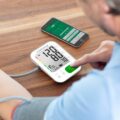
Not everything that puts strain on the body makes itself known straight away. Some changes develop quietly in the background. High blood pressure is a good example of just how deceptive silent diseases can be. And when was the last time you checked whether your blood sugar levels were within the normal range?
Both high blood pressure and diabetes often develop gradually. You may simply feel a little more tired than usual, become exhausted more quickly or just not quite feel yourself – without immediately knowing what might be behind it.
That is exactly why it is worth paying attention to these values before symptoms become hard to ignore.
Around World Health Day in early April, this is an important reminder. Not out of fear, but as part of a modern approach to prevention: pay attention, understand and take action early.
At a Glance: Why Silent Diseases Deserve More Attention
Figures from the Charité Heart Center and the German Diabetes Network show how common silent diseases actually are in Germany. They highlight why it is important to detect widespread conditions such as high blood pressure and to be aware that diabetes can occur without symptoms.
- Around 30 million people in Germany live with high blood pressure.
- Many people are initially unaware because hypertension does not necessarily
cause clear symptoms for a long time. - Around 7 million people live with diagnosed diabetes.
- An estimated 1.3 million people already have undiagnosed type 2 diabetes.
So let us take a closer look at how you can keep a more conscious eye on blood pressure and blood sugar – with tips on measuring blood pressure, how often checks can be useful and how small routines can support prevention.
Detecting High Blood Pressure: Why Keeping an Eye on Your Readings Matters
Do you track your sleep, your steps and perhaps even your screen time? It is interesting how many people still rely on a vague feeling when it comes to blood pressure. Regularly measuring blood pressure at home can provide
something that is often missing in everyday life: real clarity. No overthinking and no complicated routine – just a simple habit that helps you understand where you stand. Sometimes the body gives subtle clues. When is it useful to measure your blood
pressure? For example, if you repeatedly notice signs such as:
- a feeling of pressure in the head
- dizziness
- inner restlessness
- noticeable heart pounding
- becoming tired or exhausted quickly
Important to know: These symptoms can be associated with high blood pressure, but they do not necessarily mean you have it. In the end, there is only one way to know for sure: measure it.
Healthy Blood Pressure? These Values Provide a First Guide
| Range | Systolic | Diastolic |
|---|---|---|
| Optimal | below 120 mmHg | below 80 mmHg |
| Normal | 120–129 mmHg | 80–84 mmHg |
| High-normal | 130–139 mmHg | 85–89 mmHg |
| Elevated | from 140 mmHg | from 90 mmHg |
In brief: The systolic value describes the pressure in your
blood vessels when your heart pumps blood around the body. The diastolic value
shows how high the pressure is when the heart relaxes again between two beats.
Both values are given in mmHg, which stands for millimetres of mercury and is
the standard unit used for blood pressure measurement.
How to Measure Blood Pressure Correctly – Calmly, Regularly and Under Similar Conditions
To make your readings easier to compare, it is worth measuring under similar conditions whenever possible – ideally when you are at rest rather than in the middle of a busy moment.
What to keep in mind:
- Take the measurement when you are calm, not when you are rushed.
- Give yourself a little time after coffee, exercise or acute stress before
measuring. - Position your arm and the device correctly so the reading is as reliable as
possible. - Measure at similar times of day whenever possible to make changes easier to
interpret. - Do not focus on a single reading alone – look at the trend over several days.
Two Simple Ways to Detect and Monitor High Blood Pressure
Measuring blood pressure is much simpler today than many people think. Modern devices usually guide you through the process and can be easily integrated into everyday life. Depending on what suits you best, you can measure your vital signs at home with an upper-arm device or choose a wrist blood pressure monitor for greater flexibility.
Measuring Blood Pressure on the Upper Arm: Calm and Accurate at Home
With an upper-arm blood pressure monitor, the cuff is placed around the upper arm and the measurement is then started at the touch of a button. A model such as the BU 572 connect upper-arm blood pressure monitor is well suited to regular checks in a calm environment. It measures accurately, is straightforward to use and fits easily into an established routine.
How to Measure Blood Pressure at the Wrist Correctly: Compact and Practical for Everyday Use
If you use a wrist blood pressure monitor, it is important to hold the device at heart level during the measurement and keep your arm as still as possible. The BW 360 connect wrist blood pressure monitor is especially practical if you want to stay flexible. Its integrated risk indicator with a colour scale helps you classify your readings more quickly.
How Often Should You Measure Blood Pressure?
As mentioned, a single reading can provide an initial guide, and blood pressure fluctuations throughout the day are not unusual in themselves. Your readings become more meaningful when you monitor them over a longer period. This is exactly where modern blood pressure monitors can help. Both the BU 572 connect and the BW 360 connect can be linked easily via Bluetooth to the VitaDock+ App. This allows you to store your readings digitally, track them clearly over time
and take them with you to a doctor’s appointment if needed – without the paper
clutter.
Diabetes Without Symptoms? Why Blood Sugar Can Also Become Imbalanced Quietly
Blood pressure is not the only value that deserves more attention in everyday life. Blood sugar can also change without immediately sending clear signals.Type 2 diabetes in particular often develops over a longer period and can therefore go unnoticed for some time. Fatigue, excessive thirst or difficulty concentrating can be early signs. That is why it can be useful to think about this topic sooner rather than later. Prevention does not only begin once a diagnosis has been made – it also starts when you pay closer attention to your body and your everyday habits.
How Often Should You Measure Blood Sugar? Not Always Necessary, but Very Useful in Some Cases
Blood sugar is not a fixed value. Food, physical activity, the time of day and everyday life can all influence it. For people without a known risk, regular measurement is therefore usually not essential. However, if you have diabetes, prediabetes or a doctor has recommended monitoring, it is important to check your values and better understand how they develop over time.
Our tip for people with diabetes: With the MediTouch 2 Connect Dual blood glucose meter, you can easily measure your blood glucose at home or on the go. The practical set includes everything you need, the device is easy to take with you and the
result appears on the display within just a few seconds. Features such as meal marking, test reminders and an automatic ketone alert make daily blood glucose management a little easier. The test strips are also thoughtfully designed:
underfill detection indicates when the amount of blood is not sufficient for a reliable measurement. You can also use the VitaDock+ App to keep track of your values digitally.
Do More Than Detect Silent Diseases – Support Prevention with a Healthy Lifestyle: Tips on Diet, Exercise and Weight
Not every healthy decision has to look like a complete lifestyle overhaul. With silent diseases, it is often more about what happens regularly – routines that genuinely fit into everyday life. A balanced diet, more physical activity
and a mindful approach to your weight can help have a positive influence on blood pressure and blood sugar. It is not about perfection or strict rules, but about taking one step at a time.
Balanced Diet: Less Extreme, More Practical for Everyday Life
When it comes to prevention, no short-lived diet trend will do as much for you as habits that work over the long term. Fresh foods, more fibre, regular meals and a more conscious approach to sugar can make a real difference. Drinking
enough also matters. It does not have to mean a complete food revolution – sometimes it is enough to bring a little more balance back into the moments when you would otherwise just “grab something quick”.
What can help:
- eat more vegetables, wholegrain products and high-fibre foods
- cut back more consciously on highly processed snacks and hidden sugar
- eat at regular intervals instead of constantly snacking
- drink enough and reduce soft drinks where possible
Exercise Matters – but It Does Not Have to Feel Like Performance Pressure
You do not need to launch straight into intense gym sessions to do something good for your body. What matters more is moving regularly. Outdoor activities such as walking, cycling, short home workouts or simply adding more movement
to everyday life can help regulate blood pressure and blood sugar. The effect comes from consistency, not perfection.
What works well in everyday life:
- daily walks, even if they are short
- walk or cycle more often for everyday journeys
- consciously break up long periods of sitting
- move regularly rather than relying on rare bursts of extreme motivation
Keep an Eye on Your Weight – Without Obsessing Over the Numbers
Weight can also play a role when it comes to blood pressure, metabolism and diabetes prevention. Even so, there is little benefit in fixating on a single number. It can often be more useful to look at how the body changes overall: Is body water changing? Are you building muscle? Are there patterns in everyday life that you can understand more clearly?
Modern body composition scales can help with exactly that. Models such as the BS 850 connect do more than show your weight – they also provide insights into values such as body fat, muscle mass, body water and BMI. Useful if you want to see changes
rather than simply guess at them.
Who Can Benefit from Regular Checks to Detect Silent Diseases Such as Diabetes or High Blood Pressure Earlier?
Because high blood pressure and diabetes can often go unnoticed for a long time, keeping an eye on your own values can be useful when certain risk factors or previous experiences apply. In that case, a quick check is not about over-monitoring – it can simply become a smart part of your preventive health routine.
This is especially relevant if you:
- have a family history of these conditions
- are not very physically active in everyday life
- frequently experience stress
- are overweight
- have had elevated readings before
- have a history of gestational diabetes or other metabolic conditions
Silent Diseases – Why a New Perspective on Prevention Can Help
Perhaps prevention simply needs a new image today. Less finger-wagging, less hospital atmosphere, more everyday life, more clarity and more normality. Detecting high blood pressure and paying attention to blood sugar and other health values does not mean looking for problems – it means taking your body seriously before it forces you to.
And perhaps that is the more sensible approach: not only making health a priority when something goes wrong, but developing a more conscious relationship with it beforehand. Not more perfect, not stricter and not constantly on alert. Simply more aware, better informed and a little closer to what supports your well-being. And with modern tools for Health Control, prevention does not have to feel like pressure – it can become a natural part of your routine.
A quick check. A little more awareness. And the reassuring feeling that you are not putting everything off until later.