

Hot or cold: a simple guide to gel pack therapy

Hot or cold: a simple guide to gel pack therapy
One reusable gel pack, two ways to feel better. Whether you've just finished a workout, spent the day at a desk or want to unwind in the evening, knowing when to reach for cold and when to reach for heat makes all the difference. Here's how the two therapies work, and when to use each one.

Common use cases

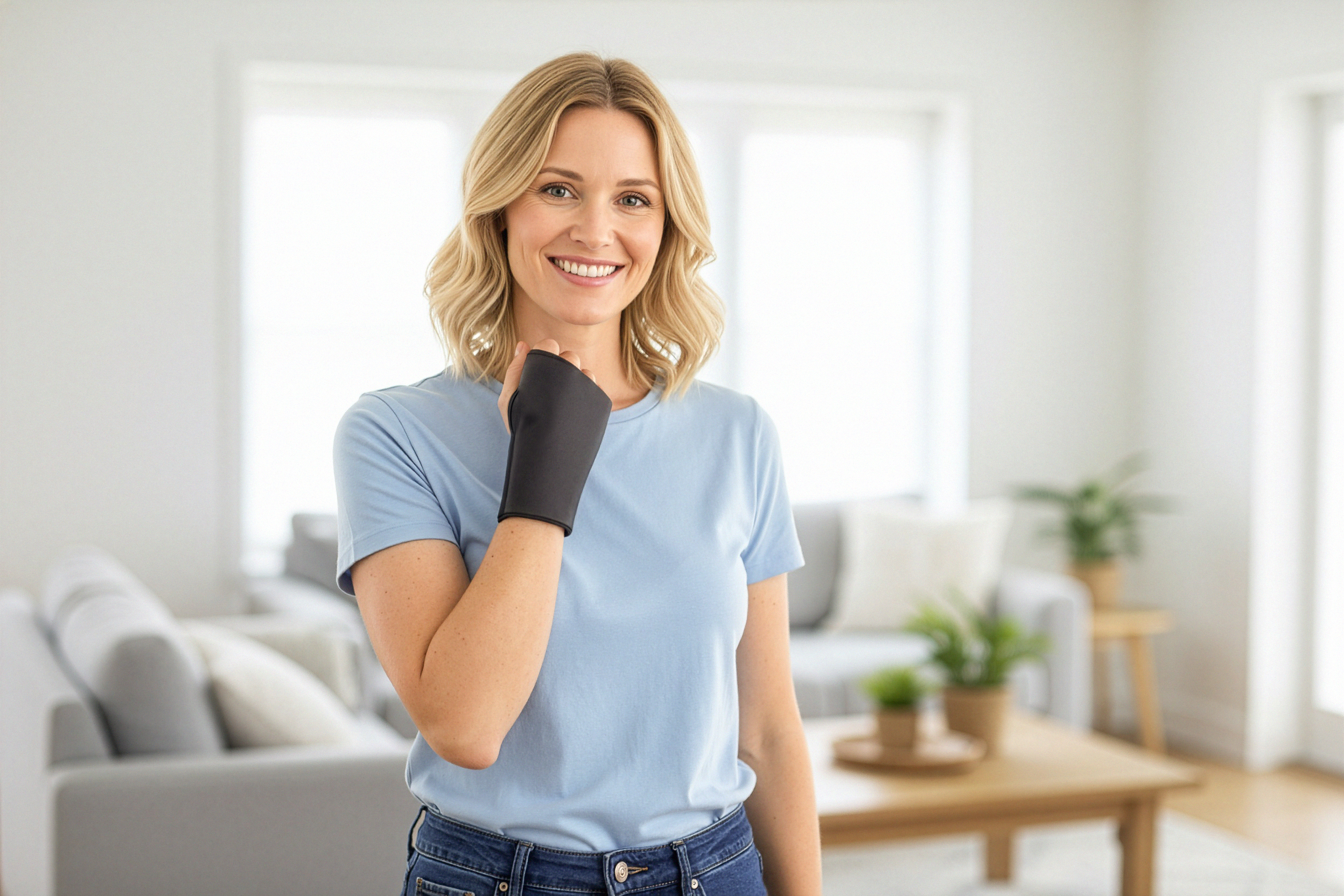
Cold or heat — how to choose
Two clinically proven modes of relief — in one reusable gel pack.
- Reduces inflammation and swelling
- Numbs acute pain receptors
- Slows nerve conduction for fast relief
- Reduces bruising and muscle spasm
- Relaxes tight muscles and spasms
- Increases blood circulation
- Softens connective tissue
- Relieves chronic aches and joint stiffness
How to prepare it
The technology inside
Each pack is filled with a non-toxic hydrogel that stays soft and flexible even at −18°C, so it moulds to the body instead of sitting stiff like an ice pack. The same gel holds heat evenly when warmed, without hot spots. It's dermatologically tested, wipes clean, and is designed to be frozen and reheated for years without breaking down — no single-use packs, no chemical activators.
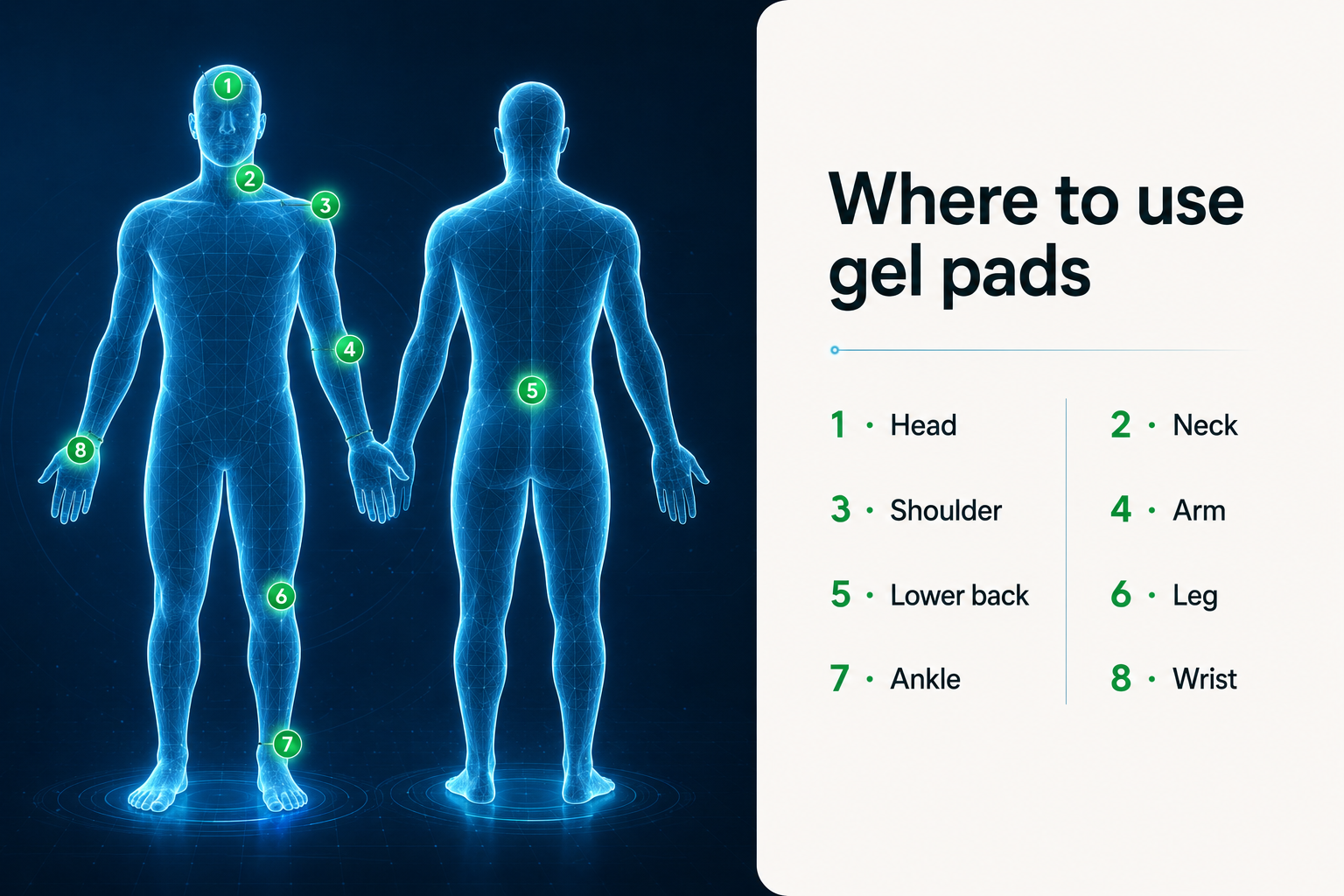
Where you can use it
Shaped packs for eight body zones, from head to wrist.
When to reach for it
After a workout
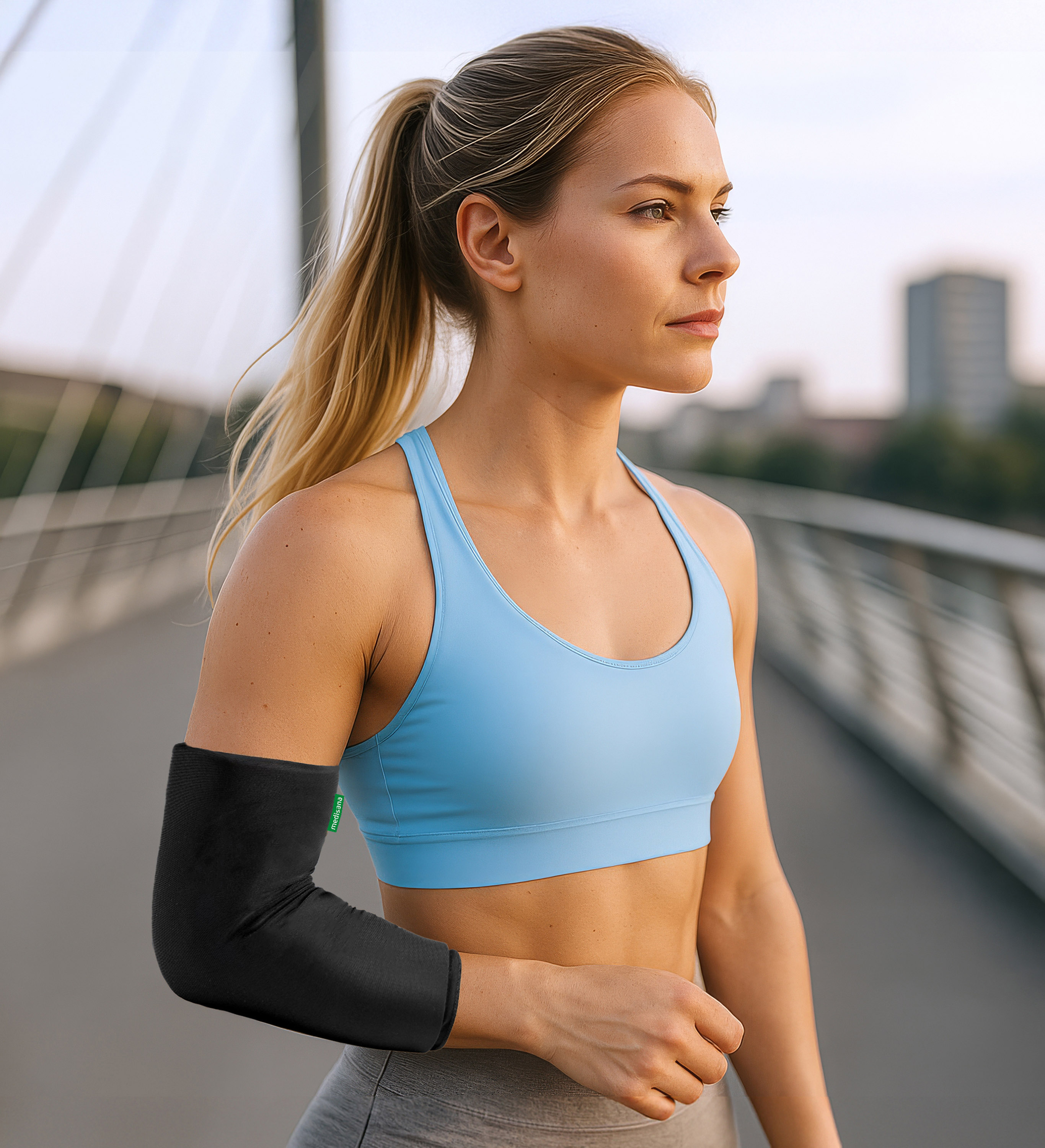
Apply cold within the first 15 minutes after training, directly on the muscle group you worked hardest. Keep it on for up to 15 minutes, then let the skin rest for at least an hour before reapplying. This works best in the 24–48 hours after a hard session or a minor strain; after that, switch to heat if soreness lingers.
Through the workday
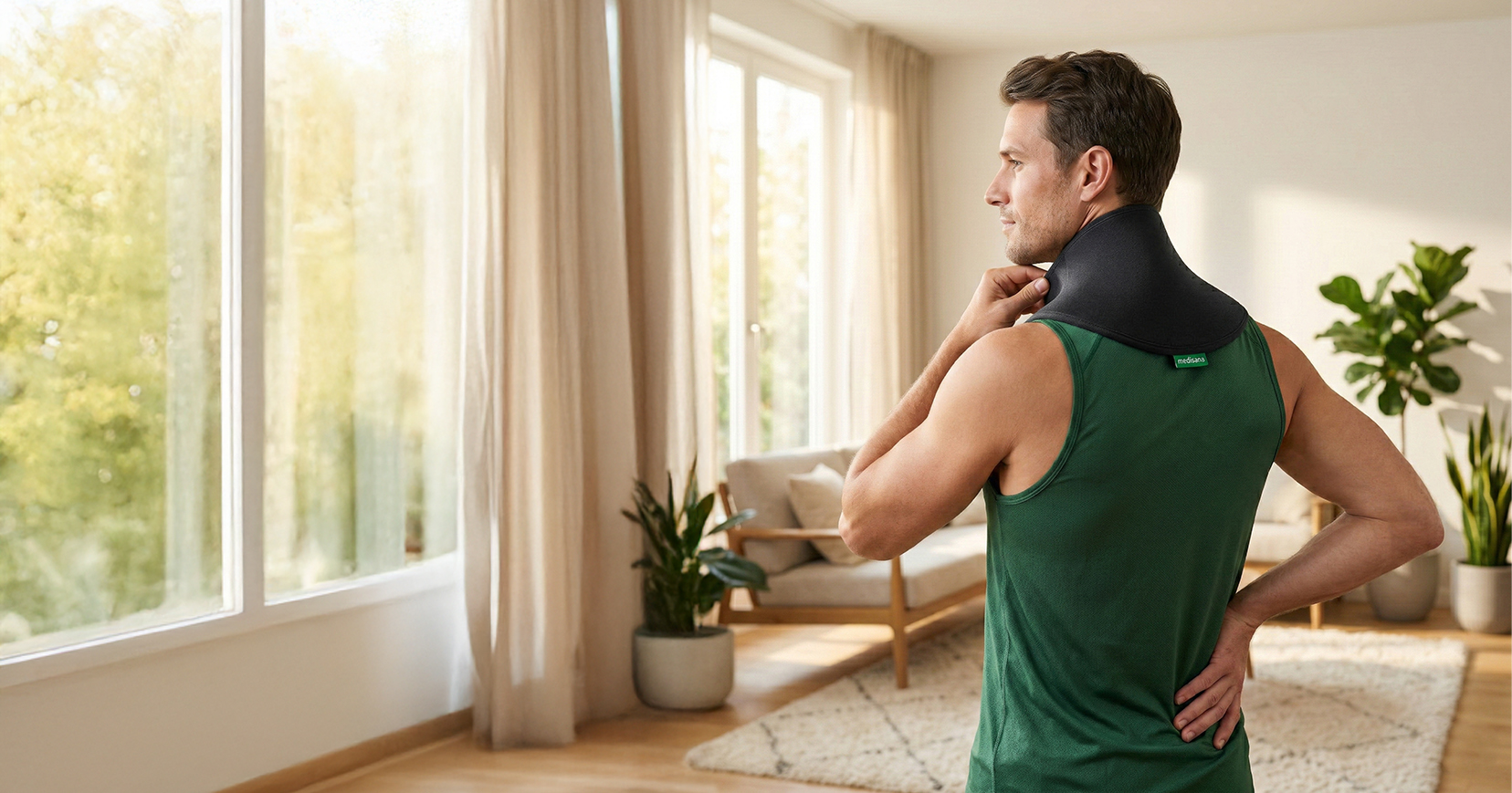
Warm the pack for 35–45 seconds and drape it over the neck and shoulders during a break — mid-morning or mid-afternoon works well if you sit at a screen for long stretches. Fifteen minutes is enough to loosen tight muscles without derailing your schedule.

Headaches and migraines
At the first sign of a headache, apply the pack cold to the forehead or the back of the neck and rest somewhere quiet for up to 15 minutes. If tight neck muscles seem to be part of the cause, follow with a short warm session afterward rather than using cold alone.

Winding down
About 30 minutes before bed, warm the pack for 35–45 seconds and wear it around the neck or shoulders while you read or sit quietly. The heat relaxes muscles and helps the body settle into rest, so it's worth building into a regular evening routine rather than only reaching for it after a hard day.
Recovery
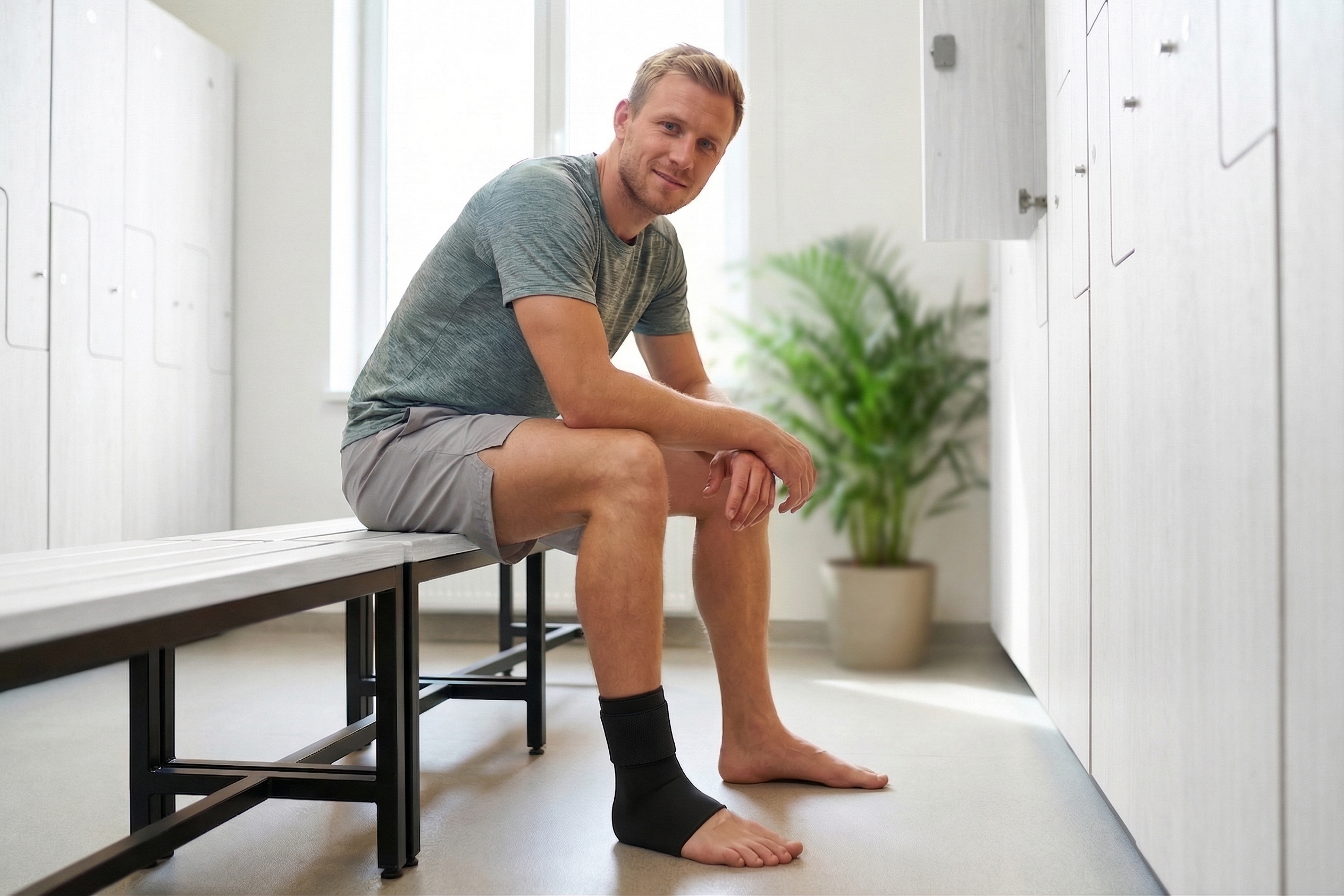
In the first day or two after an injury, use cold for 15 minutes at a time, several times a day, with at least an hour between applications. Once the initial swelling has gone down, switch to heat to keep blood flowing to the area as it heals. If you're unsure which stage you're at, check with a doctor first.
For the whole family
Keep one pack in the freezer and know it can go straight into the microwave when needed. A bruise or a bump calls for cold; the aches that come with growing pains, minor stiffness or a tense day call for heat. It's washable and reusable, so it holds up to regular family use.
A few basics apply either way: keep sessions to 15 minutes, never apply to broken skin, and check with a doctor first if you have a circulatory condition. Used correctly, the same pack can be reused for years.
Frequently asked questions
Yes. Every pack is filled with reusable hydrogel that works both ways — freeze it for cold or warm it in the microwave for heat.
Place it in the freezer or fridge for at least 2 hours before use.
Warm it in the microwave for about 35–45 seconds, depending on your microwave's wattage. Always check it isn't too hot before applying.
No more than 15 minutes per application. Let the skin rest for at least an hour before reapplying.
Most packs come with a soft fabric cover that's safe against skin. Never apply extreme cold or heat directly to bare skin without it.
Yes, as long as you stick to the recommended application time and give your skin a break in between. Stop if you notice irritation.
Anyone with impaired circulation, diabetes or reduced skin sensitivity should check with a doctor first. Don't apply to broken skin or open wounds.
The hydrogel filling is built for years of reuse — it doesn't need replacing after a handful of uses like a disposable pack.