
Measuring Blood Glucose
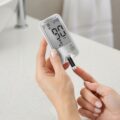
Measuring your blood glucose correctly provides orientation in everyday life and strengthens your understanding of your own metabolism. It helps you see how nutrition, physical activity, and daily routines influence your values. While the measurement does not replace medical advice, it supports you in recognising personal patterns and interpreting your results more accurately.
The Essentials at a Glance
- Blood glucose readingsare snapshots that can vary significantly depending on the time of day, food intake, activity, and individual factors.
- Consistent conditions improve comparability, which is why fixed measuring times—such as mornings before breakfast—are helpful.
- Clean, warm, and completely dry hands increase the reliability of the measurement.
- Using the sides of the fingertips protects the skin and generally provides enough capillary blood.
- A standardised step-by-step routine—from preparation to documentation—makes accurate results easier.
- Small notes on meals, activity, or special situations help identify typical patterns.
- The frequency of measurement depends on personal needs and medical recommendations.
Measuring Blood Glucose Correctly After Eating – Why Measurement Quality Matters
Your blood glucose level changes throughout the day. It responds to various factors such as meals, stress, and activity. A calm moment with clear and consistent conditions is important—regardless of whether you want to measure your blood glucose after eating or on an empty stomach.
Moist hands, skincare products on the skin, or expired test strips can distort results. This is why careful preparation and a calm procedure are essential.
Quick Factsheet: How Often and When Should You Measure Blood Glucose Correctly?
The frequency of measurement depends on personal goals, medical recommendations, and individual lifestyle. Some people measure only in the morning. Others choose additional times around meals or activities to better understand patterns. Still others use continuous glucose sensors, which display trends and offer a more comprehensive overview. A general recommendation is therefore not possible.
Measuring Fasting Blood Glucose Correctly – Preparation is Key
Measuring at the same time each day helps you compare values more accurately. Many people wonder: When is the best time to measure blood glucose? Measuring in the morning before breakfast is often recommended—especially when fasting glucose needs to be measured correctly. Additional moments, such as before main meals or two hours after, can provide further insights into your daily blood glucose profile.
Recommended preparation steps:
- ensure clean hands
- always use fresh lancets
- store test strips dry and protected
This clear preparation supports a reliable measurement process. Medical professionals can also provide suitable instructions for blood glucose testing.
Step-by-Step Guide: Measuring Blood Glucose in Everyday Life
A structured procedure makes blood glucose measurement easier in everyday life. This short guide gives you important reference points so that you too can measure your blood glucose correctly.
- Wash and dry hands: Clean, warm hands create ideal conditions.
- Prepare the lancing device: Set the desired puncture depth. For thin skin, a shallow depth is usually sufficient.
- Insert the test strip: Many devices turn on automatically when the test strip is inserted.
- Puncture the side of the fingertip: A quick impulse is enough to produce a small drop of blood.
- Remove the first drop if needed: Some people wipe away the first drop and use the second one, which may improve accuracy.
- Hold blood drop to the strip: The test strip absorbs blood automatically—no strong pressure needed.
- Read and document the value: Consistent documentation helps with later interpretation; many devices or apps record values automatically.
- Press the puncture site briefly: Use a clean cloth or cotton pad afterward.
This routine can be integrated easily into daily life—especially when using a practical, reliable blood glucose meter such as the MediTouch 2 connect dual from medisana.
Common Sources of Error and How to Avoid Them When Measuring Blood Glucose
Various factors in a home environment can influence measurement quality. The table below shows typical sources of error and practical ways to avoid them, helping you determine your blood glucose correctly in everyday life.
| Error Sources | How to Avoid Them |
| Skincare, cream, or food residues on the skin | · Wash hands with warm water and mild soap, rinse thoroughly, and dry completely → prevents residues from influencing the blood drop |
| Cold or moist hands | · Warm hands before measurement (e.g., rubbing or warm water) and dry them thoroughly → warm, dry skin makes blood collection easier |
| Expired or improperly stored test strips | · Check expiration date and store strips dry and protected from heat → more consistent quality |
| Measuring immediately after intense physical activity | · Wait a few minutes after activity so the body can settle → more stable conditions |
| Sugary drinks or snacks shortly before measurement | · Drink water and allow short pauses after eating → clearer interpretation of results |
Tip for Everyday Situations – How Can You Measure Blood Glucose on the Go?
When you’re out and about, you may wonder: How can I measure blood glucose if no sink is available?
Water and soap are ideal for preparation, but cleansing wipes can be an alternative. Important: the skin must be completely dry before measuring.
Documentation in Everyday Life – Measuring Sugar Correctly and Interpreting Values
Short notes help you place your results in the right context. Indications about meals, activity, special situations, or time of day make later evaluation easier. Over time, a clear picture of personal patterns emerges. This helps you measure blood glucose correctly in the long run.
Good documentation also makes it easier to recognise changes in daily life early on and respond appropriately. Conversations with healthcare professionals become clearer because the conditions under which certain values were measured remain comprehensible.
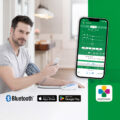
Good to know: modern meters like our MediTouch 2 take many steps off your hands. It stores values automatically, reminds you to test, and even marks readings related to meals. Average values are calculated directly—no need for manual notes. And if your body shows a warning sign, the integrated ketone alert notifies you immediately. With storage for up to 480 readings, you always have your progress in view—effortlessly and without extra work.
Measuring Blood Glucose: With Routine & Awareness
When you measure blood glucose correctly using meters, you benefit from consistent steps, clean hands, suitable test strips, and a calm moment. Over time, this develops into an understandable, everyday routine. It provides reliable values and strengthens your understanding of your metabolism. And that is exactly what supports correct blood glucose measurement.
FAQ on Measuring Blood Glucose Correctly
When is it recommended to measure blood glucose correctly?
Many people measure their blood glucose in the morning before breakfast because the value hasn’t been influenced by meals yet. This neutral starting point helps you better recognise and assess changes throughout the day.
Can you measure blood glucose on all fingers?
In principle, all fingers can be used. Many prefer the sides of the fingertips because they are less sensitive. Changing fingers regularly protects the skin and ensures enough capillary blood.
When should you measure blood glucose after eating—and what does the value show?
Most people take a measurement about two hours after a meal. This helps determine how strongly certain foods affect blood glucose levels. These insights help you better understand your diet and daily routines.
Why are blood glucose readings sometimes inaccurate?
Measurements may occasionally appear distorted due to external influences—such as moisture, soap or cream residues on the skin, or strong pressure at the puncture site. Improperly stored or unsuitable test strips are also known to cause incorrect results.
How can you measure blood glucose without pricking your finger?
Continuous glucose monitors (CGMs) can measure glucose levels without finger pricks. These sensors continuously track glucose levels in the tissue, displaying trends and developments without the need for regular fingertip measurements.
Which area of the finger is best for measuring blood glucose correctly?
Most people use the side of the fingertip. This area is less sensitive and still provides enough capillary blood for a reliable, comfortable measurement.
How often do you need to measure blood glucose with Type 2 diabetes?
Anyone with Type 2 diabetes may wonder how often to measure. The frequency depends on lifestyle, treatment approach, and medical recommendations. Possible times include morning measurements, before meals, or after physical activity—but this should always be discussed with healthcare professionals in advance.