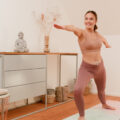

Relaxation at work

Did you know that nearly a quarter of employees in Germany work from home at least occasionally? And according to the Robert Koch Institute, around half of all employees have predominantly sedentary jobs. Much of today’s work happens sitting down—focused, screen-heavy, and often without enough movement. Over time, this leads to stiffness, muscle tension, and discomfort.
That’s exactly why relaxation at work is not just a “nice to have,” but a smart way to protect your well-being. It doesn’t require long meditation sessions—think of it as a mini reset. Short relaxation exercises at your desk, a quick eye break, or even a brief Shiatsu massage can help you recharge. Even small routines can make a noticeable difference.
At a Glance: What Happens When You Skip Relaxation at Work
If you spend long hours at your desk, small strains gradually add up. While they may not feel serious at first, they can become noticeable over time:
- Muscle tension builds up: Shoulders roll forward, while the neck and hips shorten due to prolonged sitting.
- Spinal strain increases: Sitting itself isn’t the issue—it’s staying in the same position for hours.
- Circulation slows down: Legs feel heavy, hands and feet get cold—your body lacks movement.
- Metabolism decreases: Energy levels drop, leaving you feeling drained rather than pleasantly tired.
- Eyes and concentration fatigue: Prolonged screen focus can lead to dry eyes, headaches, and mental exhaustion.
Even just two minutes of movement or targeted desk exercises every 30–45 minutes can effectively interrupt this cycle.
Eye Care First: Why Desk-Based Relaxation Is Essential for Screen Work
Our eyes are designed for movement—not for staring at screens for hours. When working intensely, we blink less and remain focused at a fixed distance. The result: tired eyes and headaches caused by screen work.
Simple Eye Relaxation Exercises at Work:
- 20-20-20 rule: Every 20 minutes, look at something at least 20 feet (6 meters) away for 20 seconds.
- Conscious blinking: Slowly blink 10 times in a row to rehydrate your eyes.
- Palming: Rub your hands together and gently place them over your closed eyes—no pressure.
- Eye mobility: Move your gaze slowly left, right, up, and down.
These quick exercises take less than two minutes and significantly relieve eye strain.
Tipp:Pro tip: If short breaks are no longer enough—especially after long virtual meetings—an eye massage can help. Devices like the medisana EM 100 Eye Massager combine air compression, gentle vibration, and warmth to relax the eye area and reduce puffiness. With integrated music or your own playlists via Bluetooth, it creates a calming, spa-like experience right at your desk.
Knowledge Box: What Is Office Eye Syndrome?
Office Eye Syndrome describes common eye problems caused by intensive screen use: burning or red eyes, a gritty sensation, light sensitivity, and sometimes blurred vision. The main reason? We blink far less when working on screens—often only 5–7 times per minute instead of 15–20.
This reduces tear distribution, causing the eyes to dry out more quickly. Dry indoor air can worsen the effect. Even small changes—like conscious eye breaks or using a humidifier—can bring noticeable relief.
Back & Neck: Relieving Tension at Your Desk
After a few hours of sitting, your neck, shoulders, and lower back often start to complain. The reason is simple: your body remains in one position for too long. Muscles work statically, and the spine lacks movement—perfect conditions for tension.
3 Effective Desk Exercises for Relaxation:
| Exercise | Starting Position | How to Perform | Duration & Repetitions | Benefits |
| Neck Relief | Sit upright, feet flat on the floor, shoulders relaxed | Gently pull your chin backward (creating a “double chin”) | Hold for 5 seconds, repeat 5–8 times | Relieves cervical spine tension and corrects forward head posture |
| Chest Opening | Sit upright, clasp hands behind your back or hold the chair | Lift your chest slightly, pull shoulders down and back | Take 5–6 deep breaths | Counteracts hunched desk posture |
| Back Mobility | Sit upright, hands on thighs | Inhale: gently arch your back. Exhale: round your back | Repeat 6–8 times | Mobilizes and relieves the lower spine |
Micro-breaks are often more effective than one long break—they prevent tension from building up in the first place.
For extra support, tools like a Shiatsu massage seat cover MC 700 can transform your chair into a relaxation zone, targeting tension from neck to lower back—even while you work.
Small Rituals, Big Impact: Relaxation Doesn’t Take Time—It Creates It
You don’t need to overhaul your entire workday. Small, mindful breaks can make all the difference:
Morning Reset:
- Take 3 deep breaths with extended exhalation
- Lift and drop your shoulders
- Sit upright and briefly look away from the screen
Start your day intentionally—perhaps with a cup of tea, a tidy workspace, or a calming scent from an aroma diffuser.
Midday Break:
- 1 minute of neck or back movement
- Stand up and walk a few steps
- Stretch your wrists and fingers
If you spend a lot of time typing or using your phone, hand massage devices can provide targeted relief and complement your desk exercises.
After Work Transition:
- Close your screen consciously
- Relax your shoulders
- Take a short walk or move your body
In the evening, warmth—such as a heated blanket—can support muscle recovery and extend your relaxation beyond the workplace.
Red Flags: When Desk Exercises Are Not Enough
Most discomfort from sitting or screen work is harmless and manageable. However, you should seek medical advice if you experience:
- Pain radiating into arms or legs
- Numbness or tingling
- Severe or unusual headaches
- Vision problems or dizziness
- Symptoms that persist despite regular movement and breaks
While relaxation exercises at work are highly effective, they cannot replace a professional diagnosis when warning signs appear.
When Productivity and Relaxation Go Hand in Hand
Work has changed—home office, hybrid models, and flexible schedules are now the norm. But one thing remains the same: your body is always part of the equation.
A few minutes of movement, targeted relief for your eyes and back, and small ergonomic adjustments can make your workday feel completely different.
Quick Ergonomic Check:
- Are your feet flat on the floor?
- Are your knees and hips at a 90-degree angle?
- Is your screen at eye level and about 50–70 cm away?
Even minor adjustments can significantly reduce tension.
Relaxation at work—whether in the office or at home—doesn’t reduce productivity. On the contrary, it helps you manage your energy more effectively and perform at your best. Sometimes, all it takes is a short pause and a conscious breath.